close


Theresa Wong


My Projects
Over/Underground
A greenfield B2B booking, logistics, and Escrow management platform

Over/Underground
Over/Underground (O/U) is an uncompromising B2B platform engineered to protect and professionalize the independent music scene. Rooted in the reality of warehouse gigs and DIY collectives, O/U bypasses the "SaaS-lite" model of generic ticketing apps to focus purely on back-of-house utility. By standardizing technical riders, automating performance contracts via secure Escrow, and utilizing a Raya-style invite-only verification system, O/U secures payouts and physical safety for artists. By treating artists as 1099 contractors and incentivizing professionalism with a 1% platform fee return, O/U proves that technology can economically empower an independent ecosystem without gentrifying its culture.
Problem
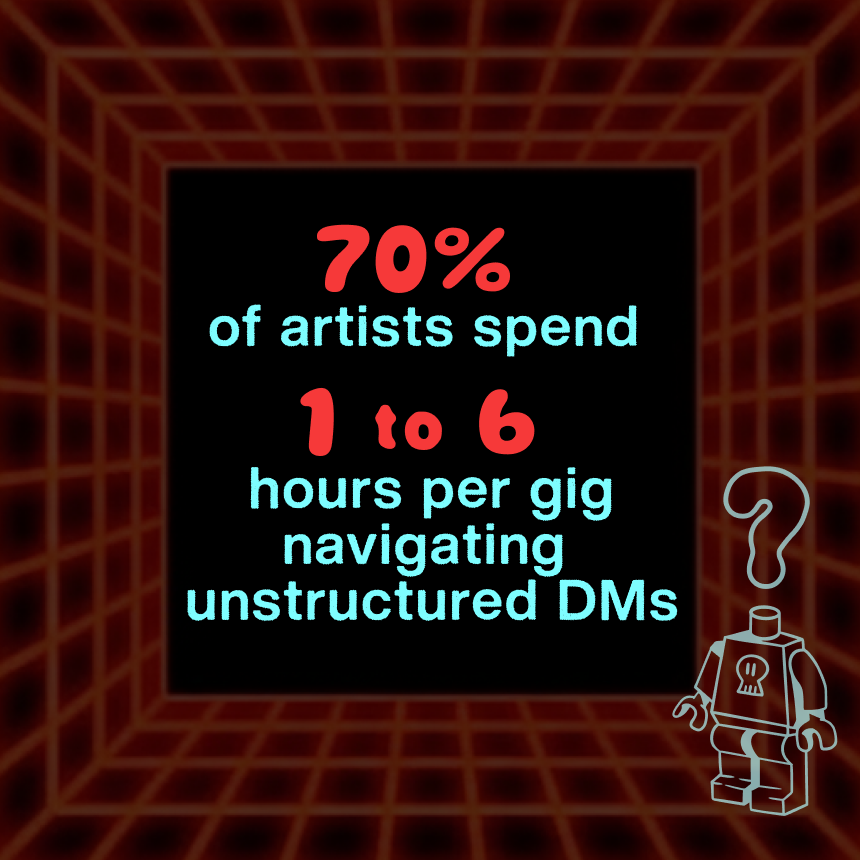
"(Header 3) Burnout in the ""Shadow Network"" The underground music scene currently relies on a fragmented ecosystem of messy Instagram DMs, scattered Google Docs, and unverified handshake deals. This lack of infrastructure causes three critical failures: • Administrative Burnout: My network-driven research revealed that independent artists spend between 1 to 6 hours per gig purely on venue research and cold outreach. • Payout Friction & Vulnerability: Financial risk is rampant, with promoters frequently ""ghosting"" on required deposits or delaying payments. • The Sanitization Threat: Artists are so desperate for administrative relief that my behavioral research showed them engaging with corporate, polished booking apps (like ArtistPass) that actively ignore the safety protocols and cultural nuances required for the underground."
Insights
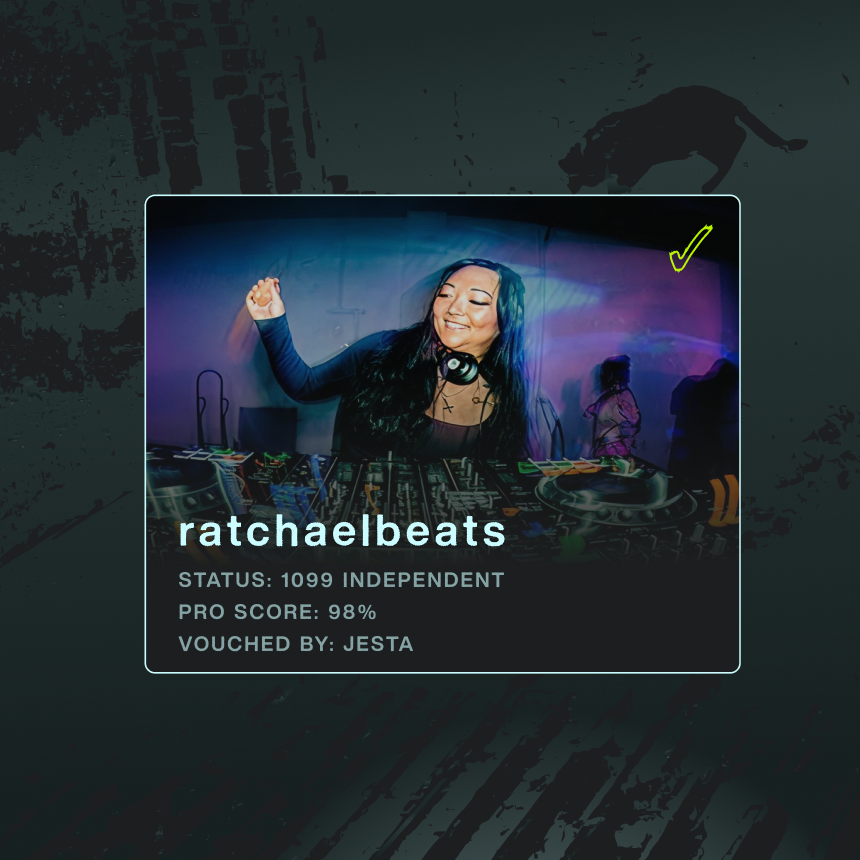
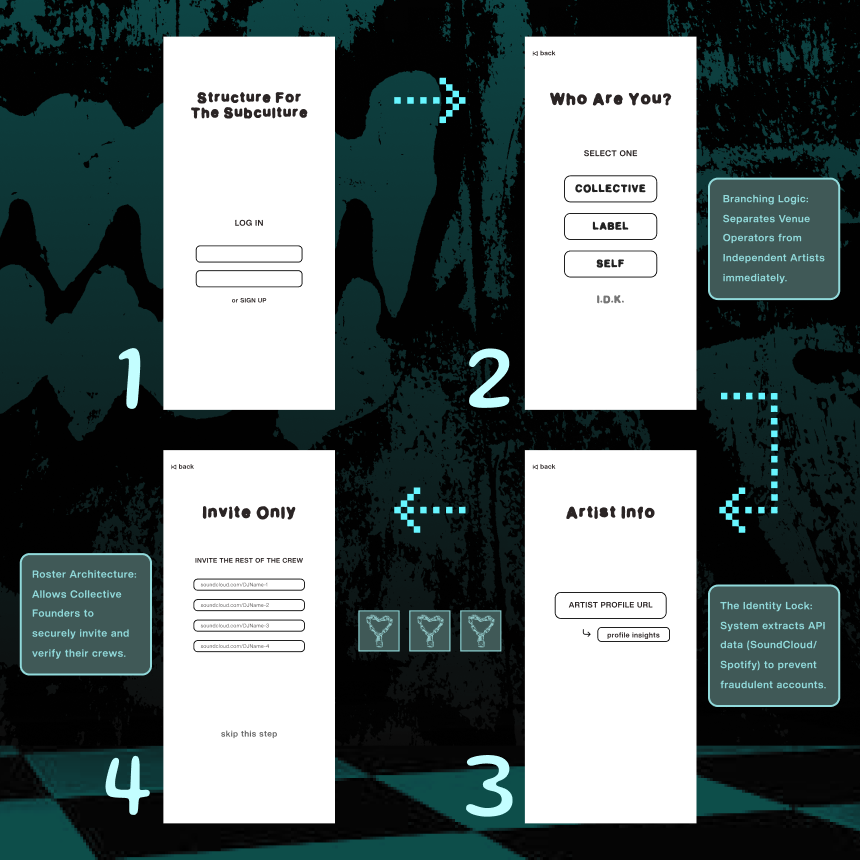
"1. Qualitative Research & Survey Fatigue (Observation & Outreach) • The Insight: Standard mass-survey distribution (Instagram story post and Reddit communities) yielded zero conversion rates due to: 1. the high administrative fatigue already present in the target demographic, 2. Reddit moderators rejected my request to post my survey link. • The Process: I pivoted to a qualitative, network-driven approach. By leveraging direct referrals, I gathered 7 high-fidelity responses from local collective leads and Independent DJs. This data quantified the core problem: artists spend up to 6 hours per gig navigating unstructured communication channels (social media DMs and varied documents). 2. Behavioral Validation (The Persona & The New Competition) • The Insight: Burnout drives users to settle for inadequate tools. • The Process: Through behavioral observation, I noted my primary persona, RatchaelBeats (a real DJ and co-founder of the Kyra Collective) actively engaging with a recently launched commercial booking website (ArtistPass). This validated the clear market demand for a centralized logistics tool, while highlighting a market gap: the need for a B2B platform explicitly tailored to the privacy and operational standards of the independent scene. 3. System Security: ""Friction-as-a-Feature"" (Wireframing) • The Insight: In high-risk, peer-to-peer event spaces, frictionless onboarding decreases user trust and compromises safety. • The Process: Modeled after the exclusivity of Raya, I wireframed a 14-screen, invite-only onboarding flow. This ""Vibe-Check"" utilizes API data extraction and peer vouching to establish immediate network trust. 4. Mid-Fidelity Prototyping: ""Familiar Utility"" • The Insight: Complex B2B workflows require familiar, standardized UI patterns to minimize cognitive load during high-stress operational tasks. • The Process: I designed a ""Familiar Utility"" framework using standard mobile navigation and accessible data cards. This front-end UI maps directly to a robust backend that automates Technical Riders, manages Escrow deposits, and tracks 1099 tax logic, including a 1% platform fee return to incentivize high professional scores. 5. Collaborative Branding (The Style Guide) • The Insight: Effective product design requires prioritizing system architecture and delegating specialized visual tasks to subject-matter experts. • The Process: To maintain my focus on the complex B2B logic and wireframing, I collaborated with fine artist and graphic designer Katherine Kawano for the platform's logo. She developed an interlocking ""chainlink"" logo, establishing a scalable brand asset that grounded the dark-mode UI into a cohesive style guide. "
Solution
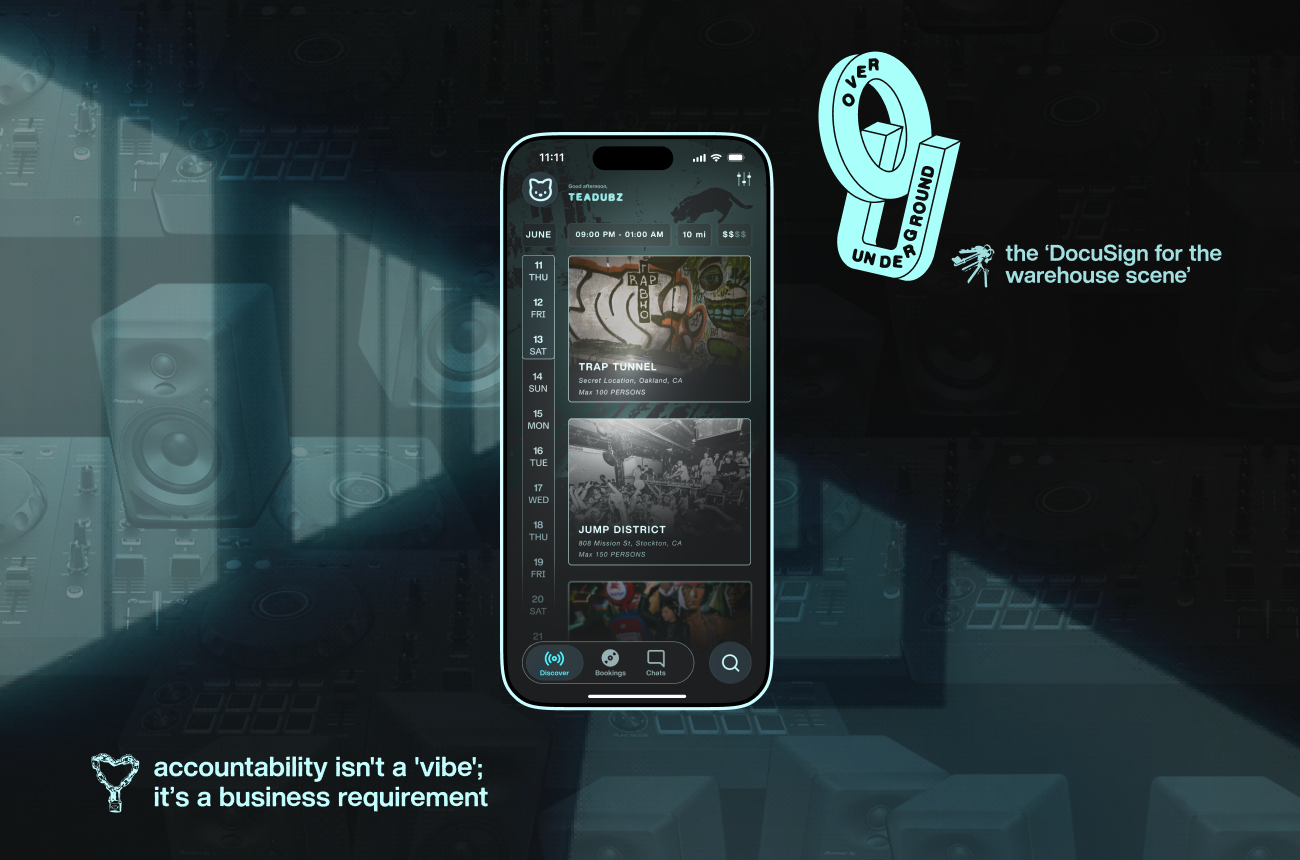
"The Final Product: I designed Over/Underground, a high-fidelity B2B mobile prototype that transforms the disorganized ""Shadow Network"" of the independent music scene into a secure, automated logistics engine. By rejecting consumer-facing ticketing models, the platform provides pure back-of-house utility, actively curing the administrative burnout that plagues independent artists. Key Architectural Features: • Friction-as-a-Feature (Vetting): Modeled after the exclusivity of Raya, a rigid 14-screen onboarding flow utilizes API data-extraction and peer-vouching to filter out bad actors and establish immediate network trust. • Familiar Utility (UI System): To combat user burnout, the interface abandons overly complex aesthetics in favor of standard, highly legible mobile patterns. This dark-mode, industrial UI effortlessly houses heavy B2B data without causing cognitive overload. • Dynamic Technical Riders: A standardized equipment-request builder integrated directly into the artist's profile card, eliminating the need for scattered PDFs and back-and-forth emails. • The B2B Matching Engine (Vetted Discovery): Replaces hours of manual research with a highly legible feed of pre-verified venues. This feed is dynamically generated by cross-referencing the artist's inflexible Tech Rider requirements against their variable search filters (e.g., date availability, minimum guarantee, and location radius). • The Professional Incentive Engine: The overarching system logic treats artists as 1099 contractors and financially rewards community integrity by returning 1% of the platform fee to users who maintain a 95%+ post-gig professional score. The Impact: By condensing up to 6 hours of manual venue research into a precise, parameter-driven discovery feed and standardizing technical logistics, Over/Underground successfully centralizes the independent music economy, protecting the culture's authenticity without sacrificing its safety. "
