close


Harmony Simpson


My Projects

Venice Venture
Interactive scavenger hunt app centered around the culture and preservation of Venice Beach.

Venice Venture
Venice Venture is a scavenger hunt app designed to guide tourists around Venice Beach. Its purpose is to encourage users to explore their environment, navigate safely, connect with local shop owners, and earn rewards by sharing and capturing moments through the app. It aims to enhance the tourist experience through interactive engagement while promoting a sense of community and discovery at Venice Beach.

Problem
How might we influence tourists to find their way through Venice Beach safely while connecting with the culture of the boardwalk?
Insights
In our research we discovered that 20% of LA’s Tourism revenue comes from Venice Beach. 23% of the 43.3 Million Tourist that visit LA make Venice apart of their Journey. Over 700 forms of media have been produced here attributing to its Global Recognition, solidifying its place as an iconic location on the map.


Solution
This led to the creation of an interactive app that supports local businesses to connect tourists with the culture of the boardwalk.
Àṣẹ
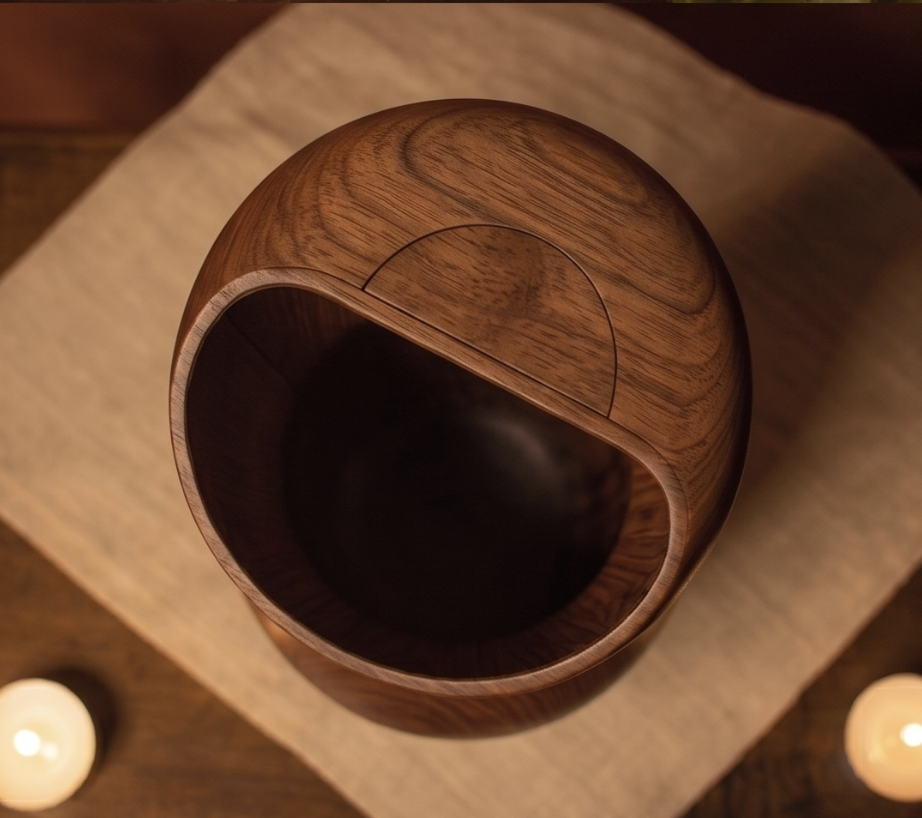
Àṣẹ is a tactile memory device: a physical vessel that binds audio memories to family objects
Àṣẹ
"Àṣẹ (ah-shey) refers to the divine life force, spiritual power, and authority to construct reality. The term originates in Yoruba culture and is commonly used after libations. Àṣẹ challenges the way we store and interact with intergenerational memories beyond corporate platforms and albums. Grounded in the matriarchal structures of Black diasporic families, the labor of remembering through voice, hand, and presence often falls on our grandmothers, mothers, daughters, sisters, and aunts. Àṣẹ is a tactile memory device: a physical vessel that binds audio memories to family objects, activated only when two family members touch it together. "

Problem
In the pursuit of preserving intergenerational memories, a profound gap exists between what is recorded and what is lost to time. Traditional methods of capturing family history often feel transactional such as paying for genealogical subscriptions to access basic ancestral data leaving a sterile disconnect between data points and true emotional legacy. Furthermore, our current digital landscape relies heavily on screen-mediated experiences, which fail to capture the sensory essence of a person's life story.
Insights
"Across three generations of families within the Black diasporic context, primary research—consisting of 28 survey participants and 13 in-depth interviews—revealed a core tension: memory is inherently subjective, fluid, and uniquely distorted for every individual. Participants expressed a deep yearning to capture the authentic, living ""essence"" of loved ones, a quality that is routinely lost within the static confines of traditional photo or video formats. Four key insights emerged: 1. The Gendered Labor of Legacy Matriarchs are the primary keepers of memory. Within the Black diaspora, the profound and laborious responsibility of archiving family history, preserving oral traditions, and maintaining lineages falls disproportionately on elderly women. 2. The Funeral Fixation & Temporal Strain Connection is strained by time, cost, and physical distance. Because multigenerational families are often geographically dispersed, funerals have inadvertently become the primary venue for sharing collective memories. This reliance on end-of-life gatherings compresses family history into grief, leaving little room for celebratory storytelling and warping the living context of past memories. 3. The Digital Disconnect Current infrastructure feels sterile. 63.2% of participants described both the digital and physical tools currently available for memory keeping as ""cold and disjointed."" 4. Compilation vs. Curation We are drowning in data but starving for meaning. Modern platforms and subscription models are built to compile and store vast quantities of photos, but they fail to help families curate the stories behind them. It begs the critical question: Is every picture actually worth taking if the soul of the memory is lost? "


Solution
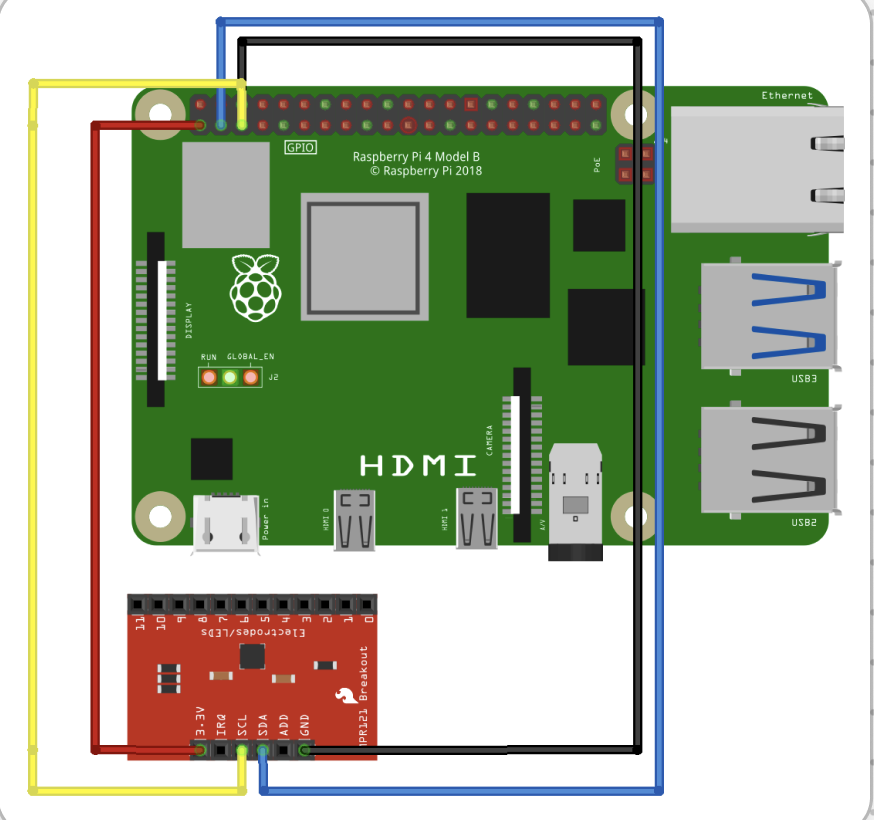
To bridge the gap between abstract data and human connection, Àṣẹ shifts the trajectory of memory preservation away from screens. It introduces a tangible, multi-sensory approach, allowing users to interact with their ancestral oral histories through the intuitive mediums of touch and sound.
